
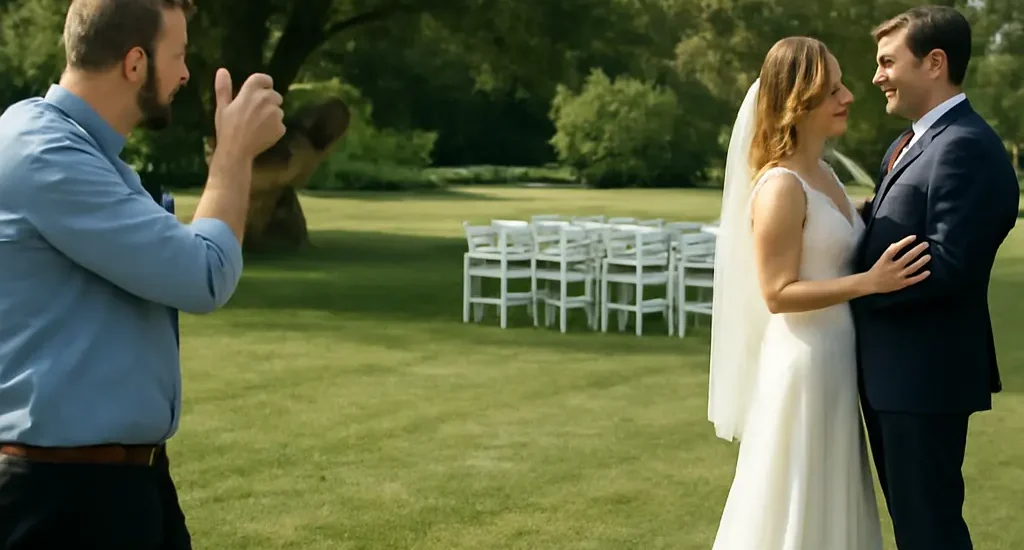
Behind the Lens: How Pro Photographers Choose Styles for Different Weddings
Wedding photography style is the visual approach a photographer uses to tell a couple’s story, from the way moments are observed to how light, color, and composition are handled. Professional photographers choose a style for each wedding by balancing the couple’s preferences with the venue, schedule, lighting, cultural traditions, and the photographer’s own strengths. That choice matters: The U.S. Bureau of Labor Statistics counted about 151,000 photographer jobs in 2023, while wedding-industry research consistently identifies photography as a major service couples plan and budget for. This guide explains how photographers assess a wedding, compares documentary, editorial, fine-art, and traditional approaches, and shows how practical constraints and communication shape the final images.
How wedding photographers choose a photography style
There is no single official industry definition of “wedding photography style.” In practice, it describes a recognizable combination of image-making choices: how a photographer directs people, anticipates events, frames scenes, uses available or added light, and edits color and contrast. Professional organizations such as the Professional Photographers of America describe portrait photography as the deliberate creation of images shaped by lighting, posing, composition, and expression—elements that also help distinguish wedding styles.
Photographers typically do not choose a style in isolation or impose a new visual identity for every booking. They assess what the couple wants, identify which parts of the day need observation or direction, then adapt their established approach to the setting and timeline. The result may combine several styles: candid coverage during the ceremony, guided portraits at sunset, and formal family photographs after the service.
The couple’s expectations establish the starting point
A photographer begins by asking what the couple wants their images to feel like and how they plan to use them. One couple may prioritize unposed moments and family interactions; another may want fashion-inspired portraits or a complete record of ceremonial traditions. Reviewing full wedding galleries—not only social-media highlights—helps couples and photographers compare coverage, consistency, and editing across different lighting conditions.
A useful consultation turns broad terms such as “natural,” “romantic,” or “editorial” into practical preferences: how much posing feels comfortable, whether flash is acceptable, which people and rituals must be photographed, and how strongly the couple prefers warm, neutral, or high-contrast color. These questions help prevent a mismatch between an appealing portfolio image and the actual experience of being photographed.
The venue, light, and schedule shape the execution
A style must work in the conditions of the wedding day. A bright outdoor ceremony allows different choices from a dim church, a candlelit reception, or a small room with mixed-color lighting. The photographer considers the direction and quality of available light, the room’s restrictions, the distance between events, and whether there is time to move portraits to a more suitable location.
The timeline also affects visual options. A short portrait window favors efficient direction and preselected locations; a generous schedule may allow for more experimentation. The National Oceanic and Atmospheric Administration notes that daylight length changes through the year and varies by latitude, making sunset timing a practical planning factor for outdoor portraits. Photographers therefore check the date and location rather than assuming that “golden hour” will fit every schedule.
Cultural traditions and family priorities guide coverage
A wedding’s rituals, family structure, and cultural context influence what the photographer needs to anticipate. Events may include processions, religious rites, multiple outfit changes, or celebrations that unfold rapidly. A pre-wedding discussion of names, relationships, photography rules, and must-have moments helps the photographer document the day respectfully without interrupting it.
This is also where a hybrid approach is useful. A photographer can remain unobtrusive during a sacred ceremony, then give clear direction for a large family portrait or a planned couple’s session. Flexibility does not mean abandoning a consistent visual approach; it means applying that approach appropriately to different moments.
How wedding photography styles differ
Wedding styles are best understood as related approaches rather than rigid categories. The Wedding Photojournalist Association describes photojournalistic wedding photography as observation-led coverage that emphasizes real events and moments. Other common approaches use more direction, formal composition, or deliberate artistic choices. Photographers often blend these methods, so couples should ask how a style works across a complete day, not just what label appears on a website.
Documentary and photojournalistic photography
Documentary photography prioritizes observed moments and a coherent record of events. The photographer watches for interactions, reactions, and transitions, generally limiting direction while ceremonies and celebrations are underway. This approach suits couples who value spontaneity and want their gallery to reflect how the day felt rather than a sequence of extensively staged scenes.
The method still requires planning and technical skill. The photographer needs to anticipate where important moments may happen, work discreetly, and respond quickly when expressions or gestures appear. Documentary coverage can be especially effective during a processional, speeches, or dancing, but it may not by itself ensure every requested family grouping is photographed; those images usually need a brief, organized portrait plan.
Editorial and fashion-inspired photography
Editorial wedding photography borrows from fashion and magazine imagery, using intentional posing, strong composition, and attention to clothing, setting, and detail. The photographer may direct posture, movement, or placement to create polished portraits that feel designed rather than purely spontaneous. This can suit couples who enjoy being photographed and want images centered on style, architecture, or carefully composed scenes.
Because editorial portraits take direction and time, they are usually planned around the schedule rather than applied to every moment. A photographer may create a small number of highly composed images while covering the ceremony and reception in a more observational way. Discussing comfort with posing beforehand helps keep the experience collaborative rather than overly staged.
Fine-art photography
Fine-art wedding photography emphasizes deliberate visual choices such as negative space, soft or directional light, restrained color, and carefully arranged compositions. Some photographers also use film or film-inspired editing, but the medium alone does not define the style. Its defining feature is a considered, expressive treatment of the subject and scene.
This approach can work well for portraits, details, and quiet moments, but its success depends on conditions and timing. A photographer may need room to compose a scene or wait for suitable light. Couples should review full galleries to see whether the photographer can maintain that aesthetic during a crowded reception or in less controlled environments.
Traditional and portrait-led photography
Traditional wedding photography gives priority to posed portraits and recognizable event coverage, including family groupings, couple portraits, and key formal moments. The photographer provides clear direction and checks that important people are included. This can be especially valuable when relatives expect a printed family portrait or when the wedding includes a long list of requested combinations.
Formal coverage need not feel stiff. Efficient group organization, thoughtful light, and relaxed prompts can produce portraits that feel natural while still being carefully arranged. A written family-photo list and a designated relative to help gather people can reduce delays and make the session easier for everyone.
How photographers adapt style to wedding conditions
Once the couple’s priorities and the likely style mix are clear, photographers plan how to deliver it under real conditions. The same photographer may work quietly in a ceremony, direct a portrait session, and use flash on a dark dance floor. Adaptation is a practical skill: it preserves the intended look while protecting the important moments and the people involved.
Lighting decisions preserve atmosphere and image quality
Lighting choices depend on both the desired appearance and the available conditions. Natural light can preserve the feeling of an outdoor or window-lit scene; flash can provide consistency in a dark reception room or freeze movement on the dance floor. Photographers may also adjust camera settings, position subjects near a light source, or combine ambient light with flash to avoid making a scene look unnaturally bright.
The right choice is not simply “natural light” versus “flash.” It depends on venue rules, the direction of existing light, movement, and the photographer’s preferred rendering. Couples can ask to see examples from venues with conditions similar to their own, especially if the ceremony is indoors or the reception will take place after dark.
Timelines balance portraits with candid coverage
A realistic timeline protects both planned portraits and unposed storytelling. Photographers often work with couples and planners to identify portrait windows, travel time, family-photo groupings, and key events. If the schedule is compressed, setting priorities in advance helps avoid sacrificing either essential family records or the moments unfolding around them.
For example, a couple who wants documentary coverage but also values a handful of editorial portraits can reserve a short, specific session for those images. The photographer can then return to observational coverage for the reception. This kind of planned contrast lets different visual approaches serve distinct purposes without making the whole gallery feel inconsistent.
Editing creates consistency across changing conditions
Editing is part of a photographer’s style because it shapes color, brightness, contrast, and the overall continuity of a gallery. A consistent edit should accommodate images made in varied locations and lighting rather than making every scene look identical. Couples should distinguish a photographer’s finished photographs from heavily filtered inspiration images, and ask how skin tones and difficult mixed lighting are handled.
The American Society of Media Photographers’ professional guidance emphasizes clear agreements about image use and deliverables. In practical terms, couples should confirm what is included—such as edited images, delivery timing, album options, and usage rights—rather than assuming that a visual style alone explains the final service.
How couples and photographers find the right fit
Choosing a wedding photographer is both an aesthetic and a working-relationship decision. A photographer can be technically skilled yet unsuitable if their approach conflicts with the couple’s expectations about direction, privacy, or the pace of the day. A clear selection process helps couples compare photographers on more than a handful of standout images.
Compare complete galleries, not isolated highlights
A complete gallery reveals whether a photographer can maintain quality from preparations through the reception. Look for consistency in skin tones, indoor and outdoor exposure, group portraits, and moments in motion. Also consider whether the images show the kinds of people, environments, and celebrations relevant to the couple’s own plans.
The Professional Photographers of America advises consumers to evaluate a photographer’s portfolio and professional practices before hiring. That principle applies especially well to weddings: a polished hero image demonstrates potential, while a full gallery demonstrates repeatable coverage.
Ask how the photographer works, not just what style they claim
Useful questions focus on the experience as well as the images: How much direction do you give? How do you handle family portraits? What is your plan for low light or bad weather? How do you work during religious or culturally specific events? Can we see a full gallery from a wedding with similar conditions?
The answers reveal whether the photographer’s process matches the couple’s needs. A couple seeking unobtrusive coverage may prefer someone who gives direction only when necessary; a couple who feels awkward in front of a camera may benefit from a photographer who offers gentle prompts and clear guidance.
Use a shared visual brief without prescribing every frame
A short visual brief can identify priorities without turning the day into a shot-by-shot production. It may include a few reference images, a list of essential people and rituals, and notes on what the couple dislikes—for example, heavy retouching or prolonged posing. References should communicate a mood or preference, not create an expectation that another photographer can reproduce someone else’s exact image under different conditions.
A practical brief also helps the photographer make informed choices on the day. It communicates what matters most while leaving room for the professional to respond to changing light, timing, and spontaneous moments.
Conclusion: a wedding photography style should fit the story
Wedding photographers choose and adapt styles by connecting a couple’s preferences with the venue, light, timeline, cultural context, and demands of each moment. Documentary, editorial, fine-art, and traditional approaches offer different strengths, but many successful galleries combine them. The most useful measure is not a style label alone; it is whether the photographer can consistently create images the couple values while working comfortably and respectfully throughout the day.
Before booking, compare complete galleries, discuss practical conditions, and agree on priorities and deliverables. Couples can also read guidance from professional photography organizations and wedding-industry researchers to understand portfolio evaluation, contracts, and planning. A thoughtful conversation in advance gives the photographer room to do their best work—and gives the couple a record that reflects both the events and the character of the celebration.
Sources: U.S. Bureau of Labor Statistics, Photographers, Occupational Outlook Handbook, https://www.bls.gov/ooh/media-and-communication/photographers.htm; Professional Photographers of America, Photography Tips and Resources, https://www.ppa.com/; Wedding Photojournalist Association, About Wedding Photojournalism, https://www.wpja.com/; National Oceanic and Atmospheric Administration, Sunrise and Sunset Calculator, https://gml.noaa.gov/grad/solcalc/; American Society of Media Photographers, Business Practices and Resources, https://www.asmp.org/resources/
