
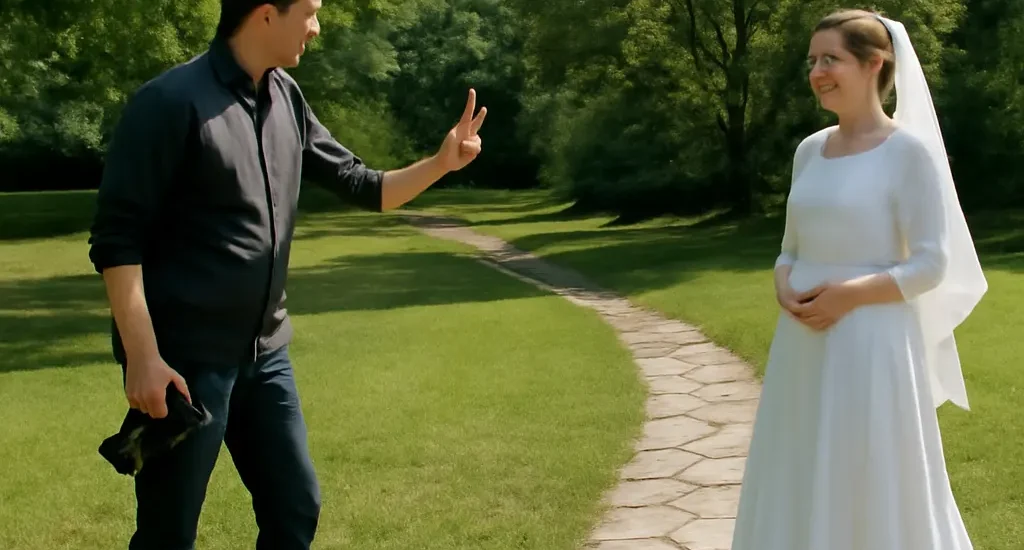
Styled Portraits Beat Boring Wedding Dress Photos Every Single Time
A styled wedding portrait is a deliberately composed photograph that uses setting, light, pose, and personal details to tell a story about the couple and their celebration. It can make a wedding dress feel more memorable than a straightforward “stand and smile” image—not because documentary dress photos lack value, but because a portrait adds mood, context, and personality. A balanced gallery needs both: clear photographs that show the gown and expressive portraits that show how it felt to wear it.
Styled wedding portraits reveal more than the dress alone
A wedding-dress photograph records the garment; a styled portrait connects the garment to its wearer, surroundings, and moment. There is no single formal industry definition of “styled portrait,” but in photography it generally means a portrait in which the photographer intentionally arranges or selects elements such as composition, lighting, backdrop, pose, and accessories to create a particular visual effect.
That distinction matters because clothing is only one part of a wedding image. A portrait can show how the dress moves, how its details catch the light, and how the bride or wearer expresses themselves. It can also include the setting, flowers, veil, jewelry, or a meaningful architectural feature. The result is not automatically better than a simple dress photograph; it is more interpretive, while a straightforward image may be more useful for clearly documenting the outfit.
Editorial portraits: fashion-led and intentionally composed
An editorial-style wedding portrait borrows visual approaches from fashion photography: deliberate posing, strong composition, and attention to shape, fabric, and styling. A photographer might use a clean wall to emphasize a dramatic silhouette or frame the subject against a grand staircase. These choices help the image feel designed rather than incidental, while still reflecting the couple’s taste.
The useful test is whether the styling supports the person and the dress. A striking pose that obscures the gown’s defining features may make a compelling image but a less informative dress photograph. Couples can ask for both a fashion-forward frame and a clear full-length image showing the dress from the front and back.
Environmental portraits: the setting becomes part of the story
An environmental portrait places the subject within a meaningful location rather than isolating them against a plain background. A garden, hotel suite, place of worship, or city street can establish atmosphere and connect the clothing to the wedding’s setting. For example, a long veil photographed in a breezy outdoor location communicates movement in a way a static hanger shot cannot.
Context does not require an elaborate venue. A familiar neighborhood, family home, or quiet corner of the reception space may carry more personal significance than a visually grand location. The strongest setting is one that adds meaning without competing with the subject.
Candid portraits: polished without feeling overly posed
A candid portrait captures a genuine interaction or unguarded expression, even when the photographer has chosen the location and light. A laugh with a parent, a pause before the ceremony, or a moment adjusting a sleeve can give a gallery warmth and emotional detail. These images work especially well alongside posed portraits: one offers visual control, the other preserves spontaneity.
The two approaches are not opposites. A photographer may gently guide someone into flattering light, then allow the moment to unfold naturally. Couples who feel uncomfortable posing can discuss prompts, movement, and short portrait sessions during their planning conversation.
Styled wedding portraits make design details easier to appreciate
A styled portrait can make details legible by giving them deliberate space, light, and perspective. This is particularly helpful for features that may disappear in a distant group photograph: embroidery, lace, buttons, a colored lining, a family heirloom, or the way a train falls. The Library of Congress’s guidance on caring for historic clothing notes that textiles are vulnerable to light, handling, and environmental conditions; wedding photographs likewise provide a lasting visual record without requiring the garment to be displayed indefinitely.
Light and composition show texture and silhouette
Light determines how fabric texture, color, and shape appear in a photograph. Soft window light can reveal delicate fabric without harsh shadows, while directional light can emphasize pleats, beading, or a sculptural silhouette. Composition matters too: a full-length frame documents the overall shape, while a closer portrait can preserve a detail that might otherwise be overlooked.
There is no universally ideal lighting setup. Bright midday sun, for instance, can create strong contrast, while shade or a diffused indoor source may produce softer results. A photographer should consider the dress color, location, weather, and the wearer’s comfort rather than follow a one-size-fits-all recipe.
Movement gives the dress a sense of life
A still image can suggest motion when the subject walks, turns, or lets a skirt or veil move naturally. These portraits show how the garment behaves beyond a static pose and can make a gallery feel more varied. A short walk across a safe, uncluttered area may be enough; dramatic movement is not necessary.
Practical planning helps protect the clothing. Long trains, delicate fabric, narrow paths, and outdoor surfaces call for attention before a pose begins. The photographer and wedding party can check the ground and arrange assistance so the image-making process does not create avoidable snags, stains, or stress.
Personal details make portraits distinctive
Personal styling is the use of meaningful objects, accessories, or choices to make a portrait feel specific to the people in it. A borrowed brooch, a family veil, a nontraditional shoe, or an outfit change can add a layer of identity that a generic pose cannot provide. The detail need not be expensive or elaborate; its significance is what makes it worth photographing.
The wedding industry’s scale helps explain why couples encounter so many options. The U.S. Census Bureau’s County Business Patterns tracks businesses in industries that include photography, while The Knot’s annual Real Weddings Study surveys couples about wedding planning and spending. These sources measure different things and should not be treated as evidence that styled portraits produce better outcomes. They do, however, reflect a broad professional and consumer ecosystem in which couples can choose among varied photography styles and services.
A balanced wedding gallery pairs styled portraits with documentary coverage
Wedding photographs serve several purposes: preserving key events, recording clothing and details, and conveying the atmosphere of the day. Styled portraits are strongest when they complement rather than replace the record of what happened. A portrait session cannot substitute for ceremony photographs, family groupings, or candid moments that couples may value later.
Build a shot list around priorities, not trends
A short, practical shot list can ensure the gallery includes both expressive portraits and useful documentation. Couples might request a full-length front view, a back view showing the train or fastenings, close-ups of meaningful details, and a few relaxed portraits in a preferred setting. The list should guide the photographer without dictating every frame.
- Choose one or two portrait locations that are meaningful and easy to reach.
- Allow time for both posed images and natural movement or interaction.
- Identify clothing details or heirlooms that should be photographed clearly.
- Discuss accessibility, weather, privacy, and any limits on movement in advance.
The American Association of Retired Persons recommends planning for accessibility and individual needs in everyday environments; the same common-sense principle applies to wedding portraits. A comfortable route, suitable seating, and flexible posing can help people of different ages and mobility levels participate without turning the session into a test of endurance.
Use timing and location to reduce stress
Portrait quality depends partly on logistics. Travel between locations, unpredictable weather, ceremony schedules, and clothing changes can all consume time. A portrait plan that fits the day is more likely to feel enjoyable than one that requires repeated interruptions or long periods away from guests.
A useful approach is to identify a primary portrait window and a backup option. If outdoor conditions change, a nearby covered area or indoor location may preserve the plan. Couples should also discuss how much time they want to spend away from the celebration and tell the photographer which images matter most.
Choose a photographer whose portfolio matches the desired feeling
A photographer’s portfolio is evidence of their visual approach, including how they handle posing, color, light, and emotion. Couples should look at complete wedding galleries where possible, not just a handful of standout images. A portfolio can reveal whether the photographer consistently delivers the mix of polished portraits and candid coverage the couple wants.
Before booking, ask how the photographer directs people who feel awkward in front of the camera, what happens if weather disrupts an outdoor plan, and whether the package includes time for detail photographs. These questions clarify expectations and help ensure the final gallery reflects the couple rather than a trend alone.
Conclusion: styled wedding portraits preserve feeling as well as fashion
Styled wedding portraits can make dress photographs more expressive by using composition, light, movement, setting, and personal details to tell a fuller story. Editorial, environmental, and candid approaches each offer a different kind of context, while clear documentary images remain essential for recording the dress itself and the events of the day.
The best gallery is not a contest between beautiful portraits and practical photographs. It gives couples both: images that show what they wore and images that help them remember how the day felt. Review full portfolios, share personal priorities, and plan a portrait session that fits comfortably into the celebration.
Sources: Library of Congress, Caring for Your Treasures: Textiles, https://www.loc.gov/preservation/care/textiles.html; U.S. Census Bureau, County Business Patterns, https://www.census.gov/programs-surveys/cbp.html; The Knot, Real Weddings Study, https://www.theknot.com/content/real-weddings-study; AARP, HomeFit Guide, https://www.aarp.org/livable-communities/housing/info-2020/homefit-guide.html
